 EN
EN

The Evolution of Industrial Flooring: Beyond Conventional Epoxy
The landscape of heavy-duty industrial and commercial flooring has transformed significantly, moving far beyond simple painted concrete or basic self-leveling epoxy applications. Today, facility managers and architects are increasingly turning to epoxy colored sand systems—a sophisticated evolution that blends industrial-grade strength with remarkable architectural versatility. Unlike standard epoxy coatings that sit as a thin film on the surface, an epoxy colored sand floor creates a thick, high-build matrix that is structurally integrated into the concrete substrate. This system is designed specifically for environments where extreme durability is not just a secondary requirement but a core operational necessity. By incorporating engineered silica sand, these floors provide a level of impact resistance, compressive strength, and surface hardness that standard, thinner coating systems simply cannot match, making them the premier choice for busy spaces that demand both aesthetic refinement and intense operational resilience throughout their functional lifespan.
The Mechanics of Durability and Aesthetic Depth
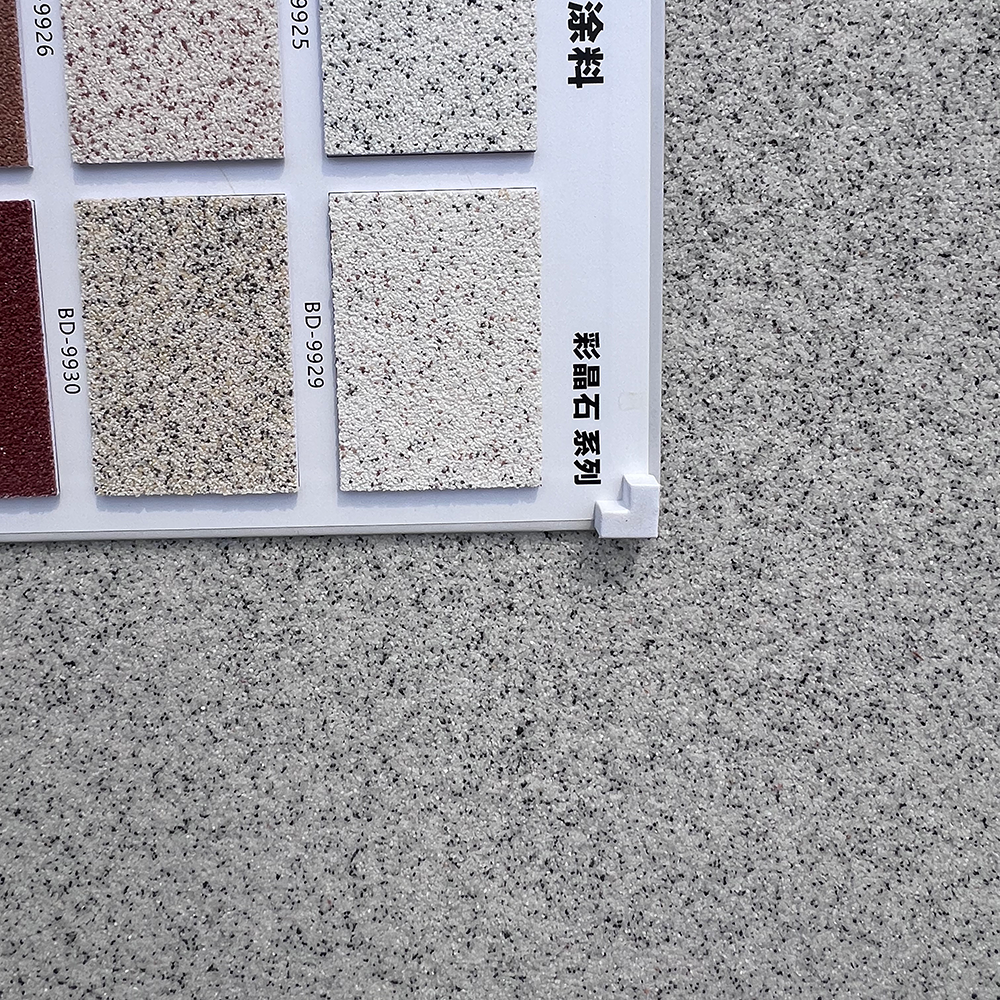
At the heart of a high-quality epoxy colored sand floor lies a meticulous and stable chemical balance. The installation process involves high-performance epoxy resins mixed with uniformly sized, color-coated silica sand. When properly applied, this specialized mixture forms a dense, seamless barrier that effectively fills and seals the micro-pores of the concrete surface. The resulting floor is significantly more than just a surface coating; it acts as a rigid, protective composite layer. The silica sand provides mechanical "teeth," increasing the floor’s overall load-bearing capacity and ensuring that the surface remains incredibly resistant to heavy machinery, constant foot traffic, and abrasive chemicals. Beyond physical strength, the multi-colored sand particles add a sense of depth and visual texture that successfully masks minor surface imperfections, providing a sophisticated, professional finish that maintains its color integrity and polished appearance even after years of continuous, heavy-duty usage in demanding commercial environments.
Strategic Applications for High-Impact Environments
The extreme versatility of epoxy colored sand makes it a preferred solution for a wide range of high-impact environments, ranging from pharmaceutical manufacturing plants and food processing facilities to premium commercial lobbies and high-traffic automotive service centers. In areas prone to heavy moisture, grease, or spills, the specific texture provided by the integrated colored sand can be expertly adjusted to create a reliable, slip-resistant profile, significantly enhancing workplace safety without compromising the ease of cleaning or sanitation requirements. For retail, hospitality, and luxury hospitality spaces, the ability to fully customize color blends allows designers and property managers to create intricate patterns, brand logos, or zone-specific color schemes that are physically embedded into the floor structure itself. This level of integration ensures that the design will not wear away or peel over time, unlike traditional vinyl or carpet flooring options, making it a high-value, long-term investment that continues to perform flawlessly under the toughest daily conditions.
Technical Requirements for Flawless Installation
Achieving the perfect epoxy colored sand finish is as much a technical discipline as it is a construction project. Professional success begins with an exhaustive, data-driven evaluation of the existing concrete substrate. Factors such as moisture vapor transmission rates, surface contaminants, and overall physical integrity must all be professionally addressed before a single drop of resin is applied. Mechanical surface profiling is absolutely essential to create the specific surface tension required for the resin to bond securely and permanently. During the application phase, the distribution of the colored sand must be perfectly consistent to avoid any density variations that could eventually weaken the floor's impact resistance or cause visual inconsistencies. Because this system cures into a dense, solid block, environmental controls regarding ambient temperature and humidity levels during the application window are critical to ensure that the chemical cross-linking occurs uniformly across the entire site footprint.
Engineering Excellence Through Baidi Systems
The long-term performance and reliability of any professional flooring system are directly tied to the precise quality of the resin formulations used in the mix. Manufacturers like Baidi provide the stable, high-performance chemistry required for these complex, sand-based systems. By maintaining rigorous quality control protocols across their entire production chain, Baidi ensures that every single batch of resin provides the necessary viscosity, controlled cure timing, and superior binding strength needed to hold the silica sand firmly in place for years. Collaborating with a manufacturer that truly understands the hidden intricacies of industrial flooring chemistry offers project teams a significant competitive advantage. It ensures that supply chain consistency is maintained, effectively reducing the risk of material-related delays or quality inconsistencies that often plague large-scale, time-sensitive installations. Relying on such deep manufacturing expertise is the most reliable path to ensure that the final floor meets the rigorous, unrelenting demands of the modern industrial and commercial sector.
Conclusion: Investing in Long-Term Surface Integrity
Choosing an epoxy colored sand floor represents a forward-thinking, strategic investment in the operational efficiency, safety, and professional image of a modern facility. By utilizing professional-grade solutions that emphasize chemical reliability and structural robustness, building owners can effectively eliminate the frustrating cycle of repetitive maintenance and costly repairs. Whether the primary goal is to create a safe, non-slip workspace for employees or a stunning, high-traffic commercial lobby that impresses visitors, the structural integrity of the flooring system remains paramount. Through a dedicated commitment to technical precision and reliable manufacturing capacity, providers like Baidi enable the creation of floors that are not only aesthetically pleasing but are built to withstand the punishing demands of years of heavy service. Choosing excellence in raw materials and chemical systems is the ultimate way to ensure that a facility’s surface remains as resilient, clean, and impressive as the business it supports every single day.
Table of Contents
- The Evolution of Industrial Flooring: Beyond Conventional Epoxy
- The Mechanics of Durability and Aesthetic Depth
- Strategic Applications for High-Impact Environments
- Technical Requirements for Flawless Installation
- Engineering Excellence Through Baidi Systems
- Conclusion: Investing in Long-Term Surface Integrity