 EN
EN

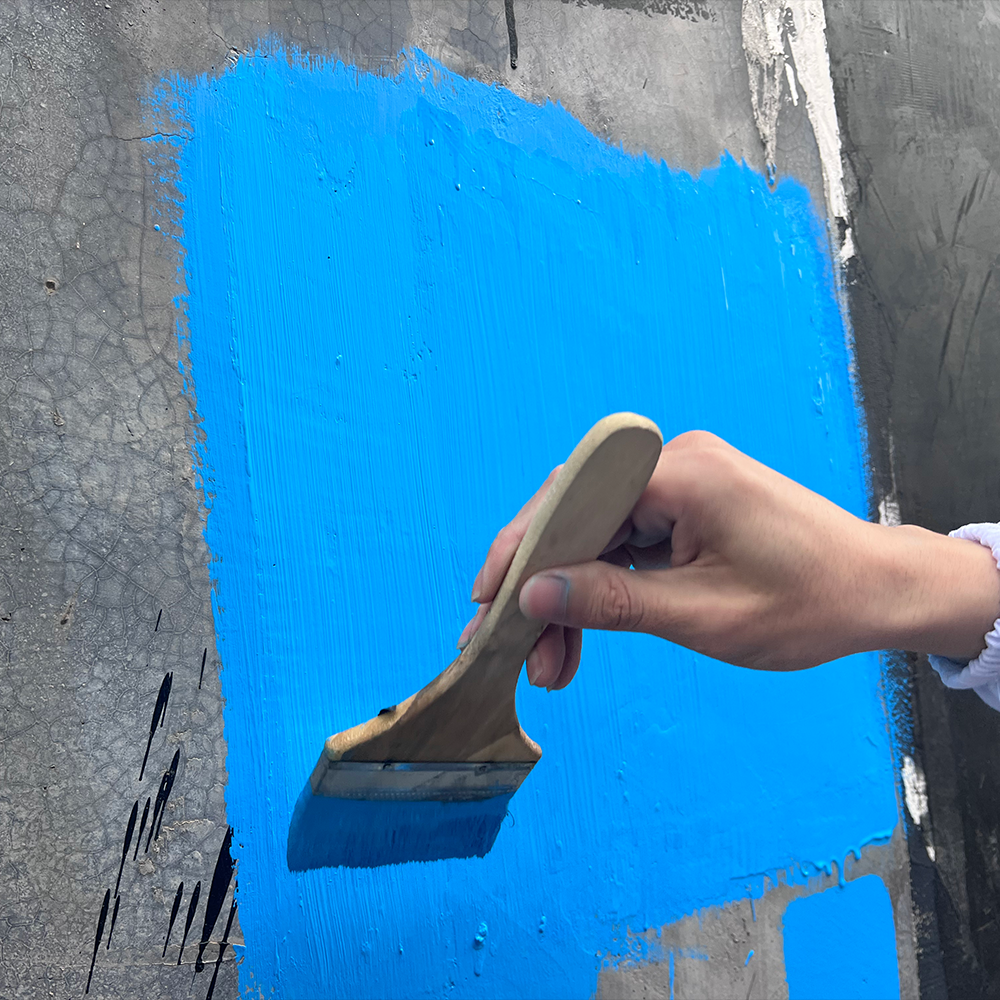
Understanding the Role of Anti Alkali Primer
When undertaking a comprehensive wall painting or exterior renovation project, many property owners and commercial developers focus heavily on selecting the final decorative topcoat color and architectural finish. However, the true secret to a long-lasting, professional paint job lies hidden beneath the surface layers during the crucial preparation stage. An anti-alkali primer is a specialized chemical coating applied directly to bare masonry, concrete, plaster, or cement substrates before any decorative paint is rolled or sprayed on. Fresh concrete and cement-based mortar naturally contain high levels of alkaline salts and residual moisture from the initial curing process. Over time, moisture migration pushes these corrosive alkaline compounds toward the surface, which rapidly break down ordinary paint films, causing unsightly peeling, blistering, and discoloration. Utilizing a high-quality primer creates a vital chemical barrier that neutralizes these corrosive elements, protecting your property investment from premature structural degradation. Furthermore, choosing the right primer guarantees that subsequent decorative layers remain completely stable and unaffected by underlying alkalinity.
Preventing Efflorescence and Surface Damage
One of the most destructive phenomena encountered in architectural painting is efflorescence, a process where soluble salts are carried to the exterior wall surface by water vapor, leaving behind a powdery, white crystalline crust. This chemical reaction not only ruins the visual appeal of a building but also compromises the structural integrity of the topcoat film. Applying a specialized anti-alkali primer effectively locks these soluble salts deep within the substrate, preventing them from migrating upward and ruining the final finish. By sealing the porous capillaries of concrete and brickwork, the primer blocks moisture penetration while still allowing trapped vapor to escape gradually without bursting the paint layer. This protective action ensures that exterior facades and interior walls remain smooth, clean, and structurally sound for years, significantly reducing maintenance frequency and operational costs. Without a reliable primer, masonry surfaces face rapid environmental weathering and structural wear in humid climates.
Enhancing Adhesion for Exterior and Interior Finishes
Another critical function of a dependable primer is to dramatically improve the bonding strength between the raw substrate and the subsequent coats of paint. Raw masonry surfaces are notoriously porous, uneven, and chalky, meaning that standard paints applied directly will often absorb unevenly or fail to grip the surface securely. A professionally formulated primer penetrates deeply into microscopic crevices, binding loose particles together to form a uniform, stable foundation. This creates consistent surface tension and an ideal texture that allows the topcoat to anchor firmly across the entire wall. Consequently, property owners experience significantly fewer issues with flaking, chipping, or uneven sheen, ensuring that decorative coatings perform at their maximum technical potential across both residential and commercial projects. Investing in premium priming solutions ensures long-term mechanical reliability and robust coating adhesion.
Improving Paint Efficiency and Color Consistency
Beyond its chemical protective properties, applying a proper primer offers substantial practical and economic benefits during the application process. Unsealed masonry acts like a dry sponge, aggressively sucking up moisture and binders from standard paint, which forces painters to apply multiple heavy coats to achieve a solid color. By sealing the porous substrate first, the primer prevents excessive absorption, ensuring that your topcoat spreads evenly and covers a significantly larger surface area per gallon. Furthermore, because the primer provides an even, neutral base color, it prevents underlying wall blemishes and dark patches from showing through. This results in truer color representation, uniform gloss levels, and a pristine finish that requires fewer total layers of paint.
Selecting and Applying the Coating Correctly
Achieving optimal results with any architectural coating system requires careful attention to surface preparation and application guidelines. Before rolling on your primer, the masonry surface must be completely clean, dry, and free from dirt, grease, or loose debris that could hinder bonding. Professional applicators should review technical data sheets to determine recommended drying times, film thicknesses, and environmental temperature thresholds before proceeding with the topcoat. By integrating a dedicated anti-alkali primer into your painting workflow, you establish a foolproof foundation that defends against chemical attack, moisture, and wear. Making this proactive choice ensures lasting durability, superior aesthetic appeal, and complete peace of mind for property owners and contractors alike.
Conclusion on Structural Protection and Longevity
In conclusion, selecting the appropriate primer is vital for the success of any wall painting or renovation project. By neutralizing alkaline salts, blocking moisture migration, and enhancing paint adhesion, these specialized coatings protect structures from premature degradation. Investing time in proper surface preparation and priming guarantees exceptional aesthetic results and long-term performance for both interior and exterior architectural surfaces.