 EN
EN
The Hidden Physics of Paint Adhesion
When a freshly painted wall begins to peel or flake after only a few months, the root cause is rarely the quality of the topcoat alone. Instead, it is almost always a failure at the interface—the microscopic point of contact between the paint and the substrate. Adhesion is a complex process governed by surface energy and mechanical interlocking. A substrate, whether it is drywall, masonry, or weathered metal, is inherently porous or irregular. When a topcoat is applied directly, it often lacks the chemical bridging agents necessary to anchor itself into these pores. Over time, natural structural shifts, moisture fluctuations, and temperature changes break these weak bonds, leading to the frustrating phenomenon of peeling. Understanding that paint is not just a liquid color, but a high-performance chemical system, is the first step toward professional-grade surface finishing. Without a proper base, even the most expensive premium paint will eventually succumb to environmental stress, wasting both time and resources.
How Primers Function as the Critical Foundation
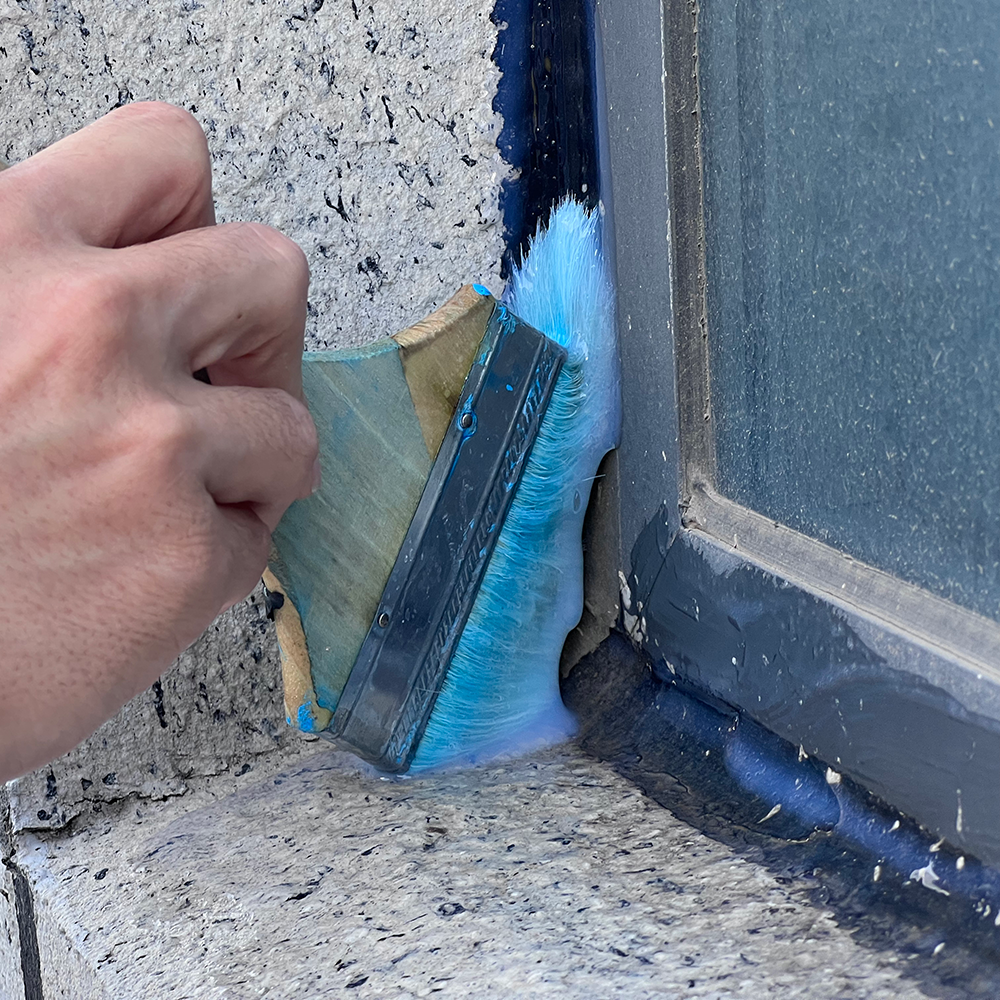
Primers are the unsung heroes of any successful painting project, acting as the essential binding interface. A professional-grade primer is formulated with specific high-solids resin technology designed to penetrate porous surfaces and seal them uniformly. By creating a consistent surface profile, the primer ensures that the topcoat has a stable, compatible anchor to hold onto. Think of the primer as a structural interface; it levels out the surface tension, allowing the topcoat to lay flat without uneven absorption or patchy finishes. Furthermore, primers provide essential chemical resistance, neutralizing the pH levels of new concrete or drywall, which would otherwise degrade the binder in the topcoat. By bridging the gap between the substrate’s inherent properties and the paint’s requirements, a high-quality primer essentially guarantees the structural integrity of the entire coating system. This is why professionals prioritize the priming stage—it turns a variable, unpredictable wall surface into a uniform canvas ready for a lifetime of performance.
Real-World Consequences of Skipping the Primer Step
Field observations consistently show that the decision to skip a primer in favor of shortcuts is often a false economy. In commercial and industrial applications, where conditions are more demanding, skipping this step frequently leads to premature failure. For instance, in high-humidity areas, moisture trapped behind a non-primed paint layer will inevitably push against the topcoat, causing blistering and subsequent peeling. Similarly, on surfaces contaminated with fine dust or previous chalky residues, a topcoat acts as a film that sits on top of the debris rather than adhering to the wall. This leads to massive adhesion loss during even minor temperature swings. Professional applicators know that the time saved during the initial application is quickly eclipsed by the labor costs associated with fixing peeling walls and rectifying failed projects. Investing in the correct preparation is simply the only way to avoid the costly cycle of repetitive maintenance and the negative impact that failing walls have on a business’s professional image.
Selecting the Right Primer for Different Substrates
Achieving long-term adhesion requires more than just applying any random primer; it requires the correct chemical matching. Different substrates possess different surface energies and absorption rates. A high-bond, oil-based primer is often necessary for glossy, non-porous surfaces to create a mechanical tooth for the topcoat to grip. Conversely, water-based, stain-blocking primers are essential for porous substrates like fresh drywall or wood to prevent tannins and resins from bleeding through and causing unsightly discoloration. Using the right technology is the mark of true professional expertise. Experienced project managers emphasize checking technical data for compatibility before beginning. Aligning the chemical structure of the primer with the nature of the substrate ensures that the finished wall is not only beautiful today but remains intact for years, regardless of external environmental stress. This methodical approach to chemistry distinguishes high-quality results from those that fail under the pressure of daily use.
Strategic Value of Professional-Grade Coating Systems
The reliability of a project is ultimately defined by the quality of the raw materials and the precision of the formulation. Sourcing coating systems from manufacturers like Baidi offers a significant advantage for contractors and developers who prioritize durability. Robust production capabilities ensure that every batch of primer and paint possesses the exact molecular balance required to bond reliably under varying climate conditions. When partnering with a manufacturer like Baidi, project teams gain access to technical support that understands the nuances of complex substrate requirements. This partnership approach ensures that the supply chain is consistent, reducing the risk of material-related failures that plague generic, mass-market products. Choosing a manufacturer that emphasizes technical excellence in its production chain provides the assurance that the underlying chemistry of the coating system will perform exactly as expected, providing a durable, long-lasting solution for any commercial space.
Conclusion: Investing in Reliability for Long-Term Surface Integrity
The decision to use a professional-grade primer is not merely an extra step; it is a strategic investment in the longevity and value of an asset. Whether for an office building, a residential project, or an industrial facility, the integrity of the walls reflects the quality of the planning behind them. By respecting the chemical requirements of surface preparation and utilizing high-performance systems from dedicated providers like Baidi, professionals can eliminate the risk of peeling and ensure a flawless finish. Reliability in construction begins at the substrate level, and successful outcomes are built on a foundation of chemistry, expertise, and high-quality materials. Through careful selection and application, the final painted surface serves not just as an aesthetic improvement, but as a durable shield that protects the investment for the long term. Baidi stands at the forefront of this reliability, offering the advanced formulations necessary to ensure that every project stands the test of time.
Table of Contents
- The Hidden Physics of Paint Adhesion
- How Primers Function as the Critical Foundation
- Real-World Consequences of Skipping the Primer Step
- Selecting the Right Primer for Different Substrates
- Strategic Value of Professional-Grade Coating Systems
- Conclusion: Investing in Reliability for Long-Term Surface Integrity